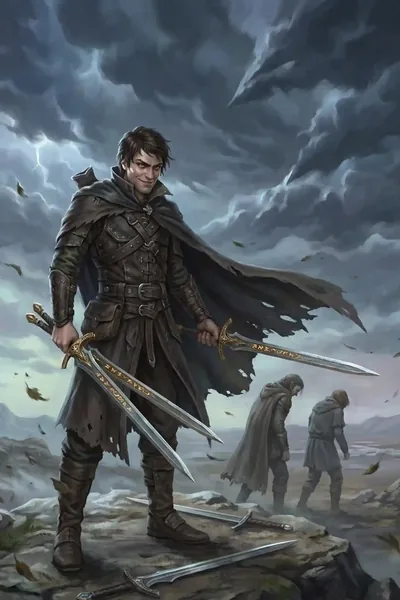
Five Of Swords
Correspondences
Grey (ambiguity, sorrow), stormy blue, dull reds (for conflict aftermath)
Cedarwood (grounding, strength), Sandalwood (peace, spiritual insight, calming), Myrrh (protection, releasing old patterns)
✦ Upright Meaning
The Five of Swords emerges as the archetype of hollow victory—the battle won at the cost of what made victory worth wanting, the triumph that reveals itself as devastation upon closer examination, the winning that has created only losers. This is the card of conflict where everyone suffers: the victor who has gained swords but lost integrity, the vanquished who have lost both contest and dignity, the relationship that has been destroyed by the very impulse to prove a point. When the Five of Swords appears, it asks you to examine the conflicts in your life with clear eyes: who is really winning? What is actually being lost? Is the position you're defending worth the cost of defending it? The smirking figure with his collected swords does not look happy despite his victory—and the defeated figures behind him are not the only ones who have lost something irretrievable. The Five of Swords reminds you that some battles are not worth fighting, and some victories are not worth winning.
❤️Love & Relationships
In the realm of love, the Five of Swords speaks to relationship conflict where winning has become more important than connecting—the argument where being right has been prioritized over being kind, the partnership where one person's victory has become the other's defeat, the love that is being destroyed by the very impulse to win the disagreement. This is the card of relationship battles where everyone loses, where the point proven has cost the connection that mattered more, where the satisfaction of being right dissolves into the loneliness of being right and alone. For those in relationship, the Five warns that the battle being won may be losing the war. For those seeking partnership, this card may indicate patterns of conflict that prevent connection. The Five of Swords asks: is being right worth being alone?
💼Career & Work
The Five of Swords arrives in your professional landscape as the energy of conflict with consequences—the workplace battle where victory comes at the cost of trust, the professional dispute where winning means losing in ways that may not be immediately apparent. This is the card of winning at work but losing respect, of defeating competitors but creating enemies, of getting ahead through tactics that leave a trail of damage behind. Your professional life may be presenting situations where you could win in ways that would cost you more than losing might, where the path to victory requires compromises that might not be worth making. The Five of Swords asks whether the professional fight you're in—or the one you're winning—is creating success you can actually enjoy.
💰Finance & Money
In financial matters, the Five of Swords speaks to the hollow victory of gains that cost too much—the profit made through means that create future problems, the financial success achieved at the expense of relationships that matter, the money won in disputes where everyone loses something. This is the card of financial victory that turns to ash in the hand, of wealth accumulated through tactics that leave a trail of enemies, of the money that comes with consequences. Your financial situation may be presenting opportunities where the obvious path to more involves sacrificing something worth more than money. The Five of Swords asks whether your financial strategies serve your genuine prosperity or only the illusion of it.
🌿Health & Wellness
The Five of Swords brings awareness to the health consequences of conflict—the stress that accumulates when you are perpetually in battle mode, the physical toll of winning at any cost, the body's suffering when the mind is consumed by the need to prevail. This is the energy of health compromised by conflict, of vitality sacrificed to victory, of the physical cost of carrying the heavy swords of perpetual warfare. Your health may be reflecting the toll of conflicts you have been engaged in, showing you through physical symptoms the cost of your need to win. The Five of Swords asks whether any victory is worth your health, and whether your body is paying a price for battles your ego has insisted on fighting.
🔮Spirituality
The Five of Swords appears in spiritual matters as the warning against spiritual combat—the religious or philosophical battles that create only division, the certainties defended at the cost of compassion, the beliefs weaponized against those who believe differently. This is the card of spiritual ego, of the need to be right about the ineffable, of the conflicts that arise when truth becomes more important than love. Your spiritual path may be asking you to examine whether your certainties have become weapons, whether your convictions are creating connection or division, whether your spiritual victories have left casualties who also sought the divine. The Five of Swords reminds you that the most profound spiritual truth cannot be won in argument or proven through defeat of alternatives.
✦ Wisdom & Guidance
The Five of Swords asks you to examine the conflicts in your life with unflinching honesty: are you fighting battles that need to be fought, or battles that feed something in you that needs feeding? Is victory in this conflict worth what it costs—not just to your opponent but to your integrity, your relationships, your peace of mind? Some battles must be fought and some victories are legitimate, but the Five of Swords appears to remind you that not all winning is winning and not all strength is shown in combat. Sometimes the bravest thing is to put down your sword. Sometimes the greatest victory is choosing not to fight. And sometimes, if you look clearly at the battlefield, you will discover that what you've been fighting for was never worth the cost of the fight. Walk away from what you can walk away from. Choose peace where peace is possible. And when you must fight, fight only for what matters enough to be worth the cost.
"I choose my battles with wisdom, recognizing that not all victories are worth winning. I release the need to be right in favor of the need to be at peace. I measure success not by what I have won but by what I have not lost."
? Frequently Asked Questions
What does the Five of Swords tarot card mean? +
The Five of Swords represents conflict where victory comes at too high a cost—hollow triumph, winning while losing integrity, or battles where everyone suffers. It asks whether the fight is worth what winning would cost.
Is the Five of Swords a yes or no card? +
The Five of Swords is a NO card, indicating conflict, defeat, or victory that proves hollow. It suggests the situation involves unhealthy competition or that winning would cost more than it's worth.
What does the Five of Swords reversed mean? +
The Five of Swords reversed indicates movement from conflict toward reconciliation—recognizing that winning has cost too much, choosing peace over continued battle, or making amends for harmful tactics.
Why are some swords left on the ground in the Five of Swords? +
The two swords left on the ground represent what is left behind in hollow victories—perhaps integrity, relationships, or completeness. The figure cannot carry everything, symbolizing that winning at all costs always loses something essential.